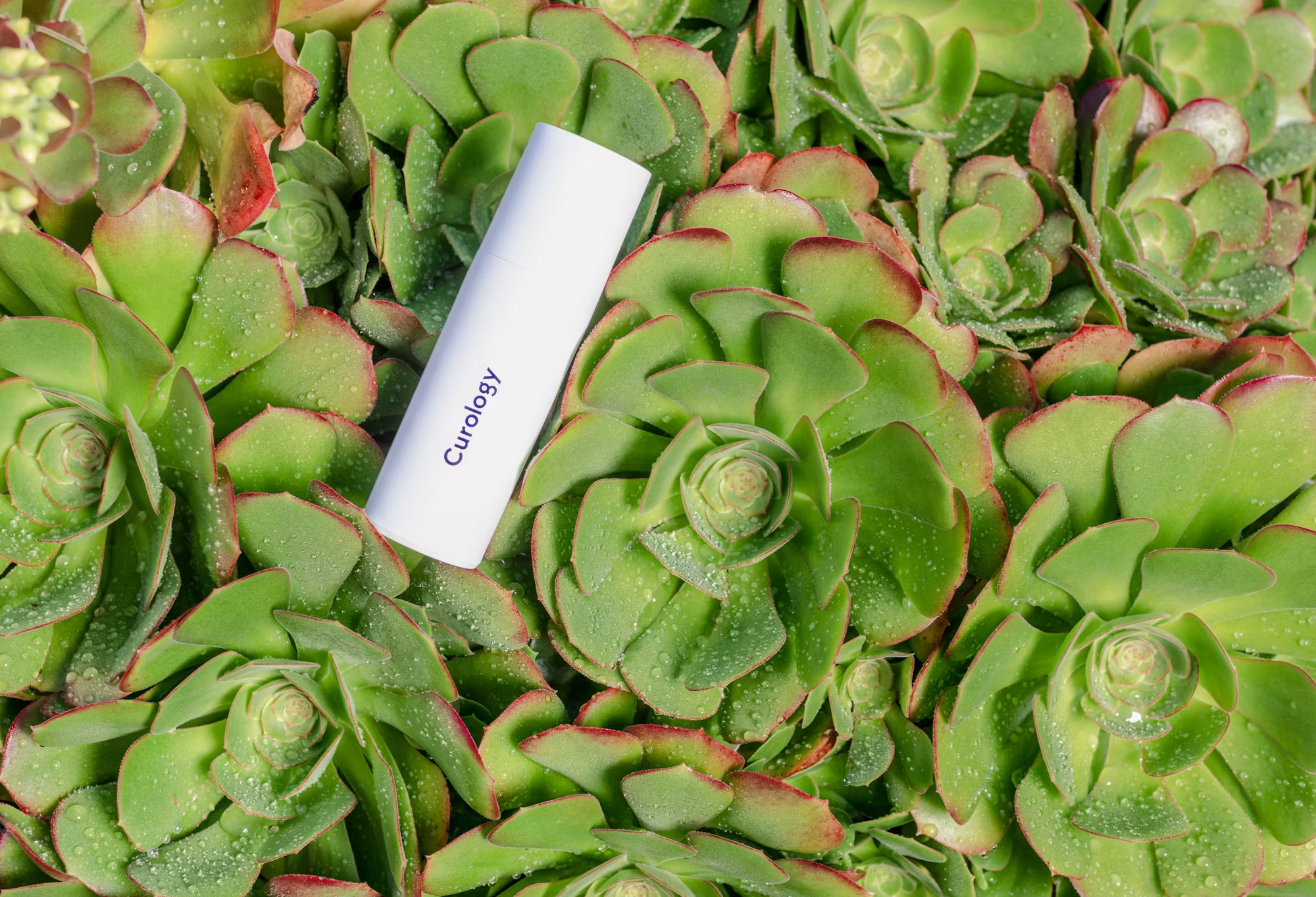
In recent years, the skincare industry has seen a significant shift toward natural ingredients, with consumers becoming increasingly aware of the benefits they offer. As people seek safer and more effective alternatives to synthetic chemicals, the popularity of natural skincare products continues to rise. This article will explore the advantages of incorporating natural ingredients into your skincare routine, highlighting some popular options and how they can enhance your skin’s health and appearance.
The Appeal of Natural Ingredients
Natural ingredients have been used for centuries in skincare and beauty routines across various cultures. Unlike synthetic ingredients, which can sometimes cause irritation or allergic reactions, natural components are often gentler on the skin. They are derived from plants, minerals, and other naturally occurring substances, making them more appealing to those looking for holistic and eco-friendly options.
One of the main reasons people gravitate towards natural ingredients is the increasing concern about the potential long-term effects of synthetic chemicals. Many consumers are now aware of the concept of ‘clean beauty,’ which promotes products free from harmful additives, parabens, and artificial fragrances. This growing awareness has spurred a demand for transparency in ingredient sourcing and formulation, pushing brands to embrace natural alternatives.
Popular Natural Ingredients and Their Benefits
1. Aloe Vera
Aloe vera is renowned for its soothing and hydrating properties. Rich in vitamins, minerals, and amino acids, it can help alleviate skin irritation, redness, and dryness. Its gel-like consistency makes it an excellent moisturizer for all skin types, especially sensitive or sunburned skin. Incorporating aloe vera into your skincare routine can provide a refreshing and calming effect, making it a must-have ingredient in both lotions and masks.
2. Jojoba Oil
Jojoba oil is a liquid wax derived from the seeds of the jojoba plant. Its unique structure closely resembles the natural sebum produced by our skin, making it an excellent moisturizer that won’t clog pores. Jojoba oil is rich in vitamin E and antioxidants, promoting skin elasticity and reducing the appearance of fine lines. It is particularly beneficial for oily and combination skin, as it helps regulate oil production while providing hydration.
3. Shea Butter
Shea butter is a thick, creamy fat extracted from the nuts of the shea tree. It is a powerhouse of vitamins A, E, and F, offering intense moisture and nourishment to the skin. Shea butter is especially effective for dry and dehydrated skin, helping to restore the skin barrier and improve overall texture. It also contains anti-inflammatory properties, making it suitable for soothing conditions like eczema and psoriasis.
4. Tea Tree Oil
Tea tree oil is well-known for its powerful antibacterial and antifungal properties. It is particularly effective for acne-prone skin, as it helps to combat the bacteria that cause breakouts. When diluted and applied topically, tea tree oil can reduce inflammation and promote healing, making it a popular choice for spot treatments and serums. However, it’s essential to use it in moderation, as it can be potent for sensitive skin.
5. Honey
Honey is not only a natural sweetener but also a remarkable skincare ingredient. Its humectant properties help draw moisture into the skin, providing hydration and nourishment. Honey is also packed with antioxidants, promoting healing and soothing irritated skin. Its antibacterial qualities make it an excellent choice for treating acne and preventing breakouts. Incorporating honey into your skincare routine, whether through masks or cleansers, can leave your skin looking radiant and refreshed.
How to Incorporate Natural Ingredients into Your Routine
Integrating natural ingredients into your skincare routine can be both simple and rewarding. Here are some tips to help you get started:
1. Read Labels
When shopping for skincare products, always read the ingredient list. Look for items that feature natural ingredients at the top of the list, indicating a higher concentration. Avoid products that contain harsh chemicals or synthetic additives. Many brands now emphasize transparency, so don’t hesitate to ask questions about sourcing and formulation.
2. DIY Skincare
Creating your own skincare products can be a fun and fulfilling way to incorporate natural ingredients. Simple recipes for face masks, scrubs, and moisturizers can be made using common kitchen ingredients like honey, oatmeal, and avocado. DIY skincare allows you to customize products based on your skin’s specific needs, ensuring you know exactly what you’re applying.
3. Patch Test New Products
Before fully incorporating a new natural product into your routine, conduct a patch test to ensure your skin doesn’t react negatively. Apply a small amount of the product to a discreet area, such as your wrist or behind your ear, and monitor for any irritation or allergic reactions over 24 hours.
4. Be Patient
Natural ingredients often take time to show results, especially compared to synthetic alternatives that may provide immediate effects. Be patient and consistent with your routine, allowing your skin to adjust to the new products. Track your progress and note any changes to determine what works best for you.
The Environmental Impact of Natural Skincare
In addition to the personal benefits of using natural ingredients, there is also an environmental aspect to consider. Many natural skincare brands focus on sustainable sourcing and eco-friendly practices, reducing their carbon footprint and minimizing waste. Choosing products made from renewable resources can contribute to a healthier planet and promote ethical practices in the beauty industry.
Moreover, natural ingredients are often biodegradable, unlike many synthetic chemicals that can be harmful to aquatic life and ecosystems. Supporting brands that prioritize sustainability not only benefits your skin but also aligns with a more environmentally conscious lifestyle.
Conclusion
The shift towards natural ingredients in skincare reflects a growing awareness of the benefits they offer for both our skin and the environment. By incorporating natural products into your routine, you can achieve healthier, more radiant skin while making more ethical choices. From soothing aloe vera to nourishing shea butter, the options are vast and varied, allowing you to tailor your skincare regimen to your specific needs. Embrace the power of nature and enjoy the journey to healthier skin.
